
What Is a Beatmaker: Meaning, Role and Everything You Need to Know
Discover what a beatmaker is, what they do, which tools they use and how they differ from a producer. A complete guide to understanding this key figure in the music world.
Author
Redazione HAT
Published on
Reading time
6'
What Is a Beatmaker: Definition
A beatmaker is a music producer specialising in the creation of instrumental tracks, commonly known as "beats". Their main task is to build the rhythmic and harmonic framework over which an artist, rapper or singer will later lay their vocals.
The term came into widespread use with the explosion of hip-hop and R&B in the 1990s, when figures like DJ Premier, Pete Rock and RZA began creating complex musical backings using samplers and drum machines. Since then, the role of the beatmaker has evolved enormously, encompassing genres from trap and grime to electronic, dancehall and pop.
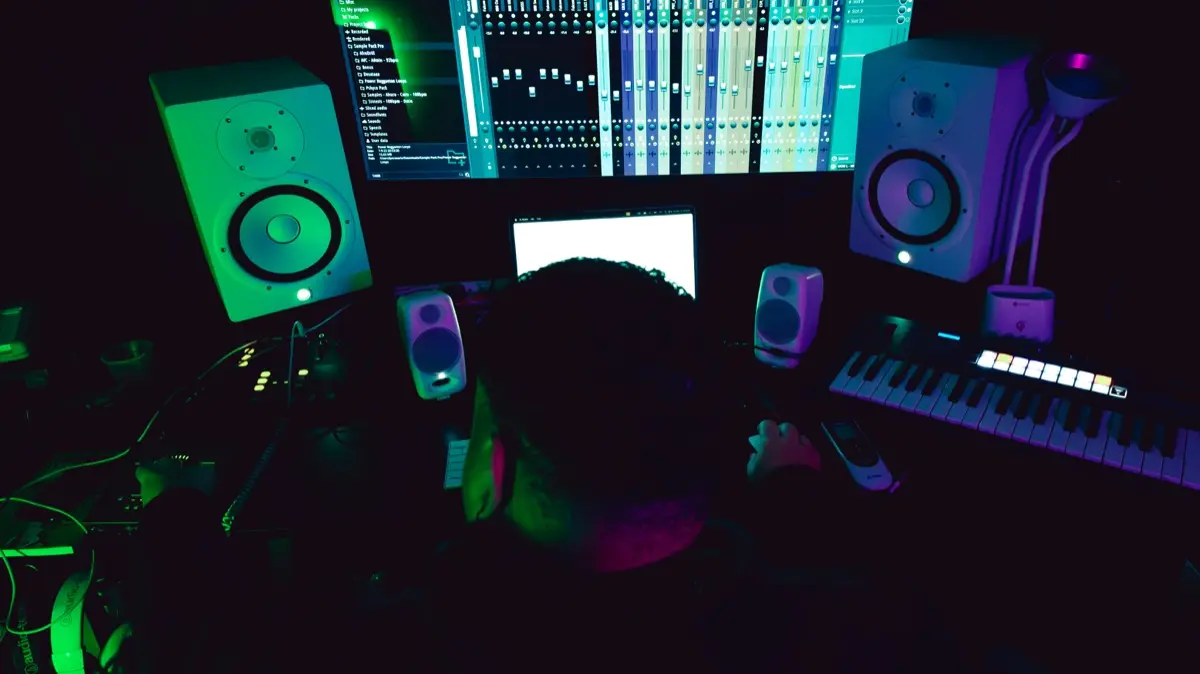
Today, beatmakers work almost entirely in the digital domain, using software called DAWs (Digital Audio Workstations) - such as FL Studio, Ableton Live, Logic Pro or GarageBand - alongside MIDI controllers, pads and electronic keyboards.
What Does a Beatmaker Actually Do
The work of a beatmaker unfolds across several creative and technical stages.
Rhythm composition: the starting point is almost always the drum section - kick, snare and hi-hat - which defines the groove of the beat. The drums are built on a timeline grid called a sequencer, with sounds placed at the right points within the bar.
Harmonic choices: on top of the rhythm come melodic elements - a piano, a synth, a bassline, a vocal sample. These elements create the atmosphere of the track and determine its genre.
Sound design: experienced beatmakers don't just use pre-packaged sounds but shape them through synthesisers and effects such as reverb, delay and compression, as well as layering techniques.
Beat mixing: before distributing or selling a beat, the producer carefully balances levels, cleans up frequencies and manages the overall dynamics of the mix.
Distribution and sales: many beatmakers sell their productions on platforms like BeatStars, Airbit or Soundclick, earning through usage licences.
The Tools of a Modern Beatmaker
A professional setup can cost thousands of pounds, but getting started requires very little investment. Here are the essential tools:
DAW (Digital Audio Workstation): the central software where everything comes to life. FL Studio is the standard in hip-hop and drill; Ableton Live dominates electronic music; Logic Pro is the choice for Mac users. There are also excellent free options such as LMMS and GarageBand.
MIDI controllers: keyboards or pads - such as the famous Akai MPC or Native Instruments Maschine - that allow sounds to be played expressively rather than drawn on screen with a mouse.
Sound libraries and samples: collections of sounds - drum kits, loops, effects - that the beatmaker uses as raw material. Platforms like Splice, Loopmasters and Native Instruments offer vast catalogues.
Plugins and synthesisers: virtual instruments such as Serum, Massive, Omnisphere or classic free VSTs that expand the available sonic palette.
Studio monitors or headphones: to hear sound accurately, without the colouration of domestic speakers.
Famous Beatmakers in the UK and Around the World
The UK has produced some of the world's most influential beatmakers. Steel Banglez has shaped the sound of UK rap and grime working with artists like MoStack and AJ Tracey. Jahlani and Ayo Beatz have been central to the Afrobeats scene in London. Toddla T and Artwork have defined the sound of UK bass music and garage.
At the pioneering end of the spectrum, Timbaland, Pharrell Williams, DJ Premier and Metro Boomin remain giants of the global beatmaking world. In the new generation, Pi'erre Bourne, Murda Beatz and Wheezy have defined contemporary trap.
Every producer develops a recognisable sound, a sonic "signature" that sets them apart. Building that signature is one of the main goals for anyone looking to make their mark in the industry.
Beatmaker vs DJ vs Classical Composer
These three figures are often confused with one another. Here's how they differ:
Beatmaker vs DJ: a DJ selects and mixes existing music in front of an audience. A beatmaker creates original music in the studio. Some figures, such as EDM producer-DJs like Calvin Harris or the late Avicii, perform both roles.
Beatmaker vs classical composer: a classical composer writes music for acoustic ensembles, following the rules of traditional music theory. A beatmaker works with digital sounds and samples, often with a more intuitive, groove-oriented approach.
Beatmaker vs producer: this is the most nuanced distinction. A producer typically has a broader role - overseeing the artistic direction of the artist, managing vocal sessions and guiding the overall direction of a record project.
How Beatmakers Make Money
Beatmakers have several income streams available to them. The most accessible is selling beats online: on platforms like BeatStars, you can upload your productions and sell them with licences ranging from £30 to £200 for non-exclusive use, up to thousands of pounds for exclusive rights.
Then there are record deals and direct commissions: established beatmakers are approached directly by labels or management to produce tracks for specific artists. In these cases the fees can be substantial, accompanied by royalties on sales and streams. In the UK, royalties are managed through PRS for Music and PPL.
Sync licensing - the use of music in adverts, films, TV series or video games - is another significant source of income. Many beatmakers also supplement their earnings through online tutorials, YouTube or Twitch content, and the sale of sound kits.
How to Become a Beatmaker: First Steps
Getting started as a beatmaker has never been more accessible. All you need is a computer and free software like GarageBand or LMMS to begin exploring.
The essential steps:
- Choose a DAW and spend at least a few months with it before switching
- Study the fundamentals of rhythm: time signatures, groove, swing
- Listen to lots of music in the genre you want to produce, analysing how tracks are constructed
- Copy and recreate beats you love to learn the techniques of your favourite producers
- Experiment continuously with new sounds, structures and atmospheres
- Release your work, even when it's not perfect - feedback is the best teacher
🎵 Ready to let the world hear your beats? Discover HAT Music →
Tags