
Working as a Songwriter: The Complete Career Guide | HAT Music
Want to work as a professional songwriter in the UK? Find out how to get started, which paths to take, how to find collaborations and how much you can earn.
Author
Redazione HAT
Published on
Reading time
5'
Working as a songwriter is one of those dreams many musicians nurture but few know how to turn into a concrete reality. The good news is that the music industry — despite the sweeping changes of recent years — still has an enormous need for talented songwriters.
The bad news? Being good at writing isn't enough. You need to understand how the market works, build the right relationships, manage your rights and have a clear strategy. This article walks you through it all, step by step.
The Songwriting Market: How It Really Works
Before you dive in, it's worth understanding the structure of the market. Professional songwriting works on essentially three models:
1. Staff Writer — You're employed (or under contract) by a music publisher. They pay you a salary or an advance in exchange for a set number of songs per year, which the publisher then pitches to artists. It's the most stable route, but it requires an already solid portfolio to even be considered.
2. Freelance / Co-writing — You work independently, seeking collaborations on a case-by-case basis. You write with artists, producers and other songwriters. Each track that gets released earns you royalties. Maximum freedom, much less stability.
3. Songwriter-Artist — You are the artist performing your own songs. You earn from streaming, live shows, and sync. The path is slower but builds a more structured long-term career.
How to Build Your Songwriter Portfolio
Your portfolio is your calling card. Without quality demos, no artist or publisher will take you seriously. Here's what to do:
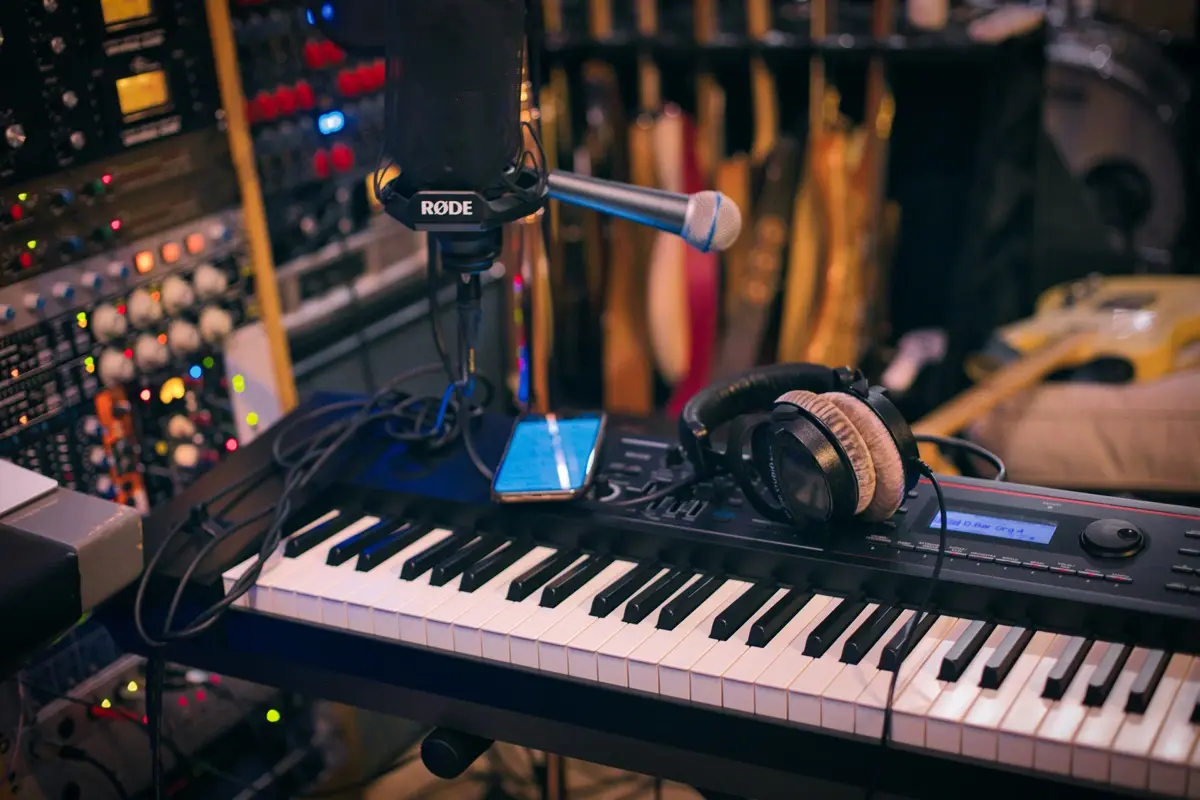
Record professional demos — You don't need major-label production, but you do need clean audio, in-pitch vocals and a clear melody. A home studio and a decent microphone are enough to start.
Vary your genre — If you can write pop, R&B and indie, you're far more marketable. Show your versatility.
Write "to the target" — When pitching a song to a specific artist, study their style, audience and themes. Write something that sounds like them.
Keep updating your catalogue — Top songwriters like Max Martin write dozens of songs a year. Only a small percentage ever gets released. Volume drives quality.
How to Find Collaborations as a Songwriter
Networking is the real fuel of a songwriter's career. But networking in the music industry doesn't just mean attending events and shaking hands — it means building genuine relationships based on mutual respect.
Writing Sessions — These are collaborative songwriting meetings. You can participate as a guest with producers, artists or other songwriters. They often happen in-studio, but remote sessions have exploded since 2020.
Showcases and Competitions — Events like The Ivors Academy, BBC Introducing, BIMM songwriter showcases, and UK songwriting contests are great ways to get noticed in the industry.
Dedicated Platforms — There are platforms specifically designed to connect songwriters with artists and producers. HAT Music is one of these tools: it lets songwriters create a professional profile and be discovered by exactly the people looking for their skills.
Professional Social Media — LinkedIn, Instagram and TikTok can be powerful tools to showcase your work, post snippets of songs in progress, and document your writing sessions.
Rights Management: What Every Songwriter Needs to Know
This is the part many songwriters neglect — and it can cost them dearly. Here are the essentials:
PRS for Music & MCPS — In the UK, you must register with a collecting society to collect royalties on your songs. PRS for Music handles performance royalties (radio, TV, live, streaming), while MCPS handles mechanical royalties (reproductions, downloads). Both operate under the PPL PRS umbrella — registering with one usually covers both.
Split Sheet — Before releasing any co-written song, sign a split sheet with all co-authors. This document establishes who owns what percentage of the track. Without it, legal disputes down the line can be devastating.
Publishing Contracts — If you sign with a publisher, read everything carefully (ideally with a specialist music lawyer). Watch out for work-for-hire contracts that transfer full ownership of your songs.
Song Registration — Every song must be registered with your collecting society before it's distributed or publicly performed.
How Much Can You Earn Working as a Songwriter?
The honest answer: it varies enormously. A first-time songwriter with no placements earns zero. A songwriter who has written an international hit can earn hundreds of thousands of pounds in royalties.
Mechanical royalties on Spotify are around £0.002–0.004 per stream — but if your song hits 10 million streams, that's £20,000–40,000. Performance royalties from national radio airplay (via PRS) can be significant. Sync licensing fees for film, TV and advertising are among the highest-paying opportunities, ranging from a few hundred to hundreds of thousands of pounds depending on the project.
Most professional songwriters diversify: royalties + songwriting workshops + consultancy + production work.
The Modern Songwriter's Toolkit
Today's songwriter doesn't work with just pen and paper. Digital tools have transformed the creative process:
- DAWs (Digital Audio Workstations) like Logic Pro, Ableton or GarageBand for recording demos
- Plugins and virtual instruments for building arrangements
- Apps like Notion (for melodic notes) or Voice Memos to capture ideas on the go
- Remote collaboration platforms like Splice, Kompoz or HAT Music to connect with other professionals
Advice from Professional Songwriters
Write every day, even for just 20 minutes — Consistency beats talent in the long run.
Listen analytically — When you hear a song you love, ask yourself: why does it work? What is that melody doing? How is the lyric structured?
Embrace feedback — Songwriting is a craft, not just art. Feedback from artists, producers and listeners is invaluable.
Always protect your rights — Never release anything without registering the track and signing split sheets.
Invest in relationships, not just promotion — Genuine connections last far longer than any marketing campaign.
🎵 Ready to start your songwriting career or find new collaborations? On HAT Music you can create your professional profile, showcase your work and connect with artists and producers looking for exactly your talent. Join the community → hatmusic.it
Tags